
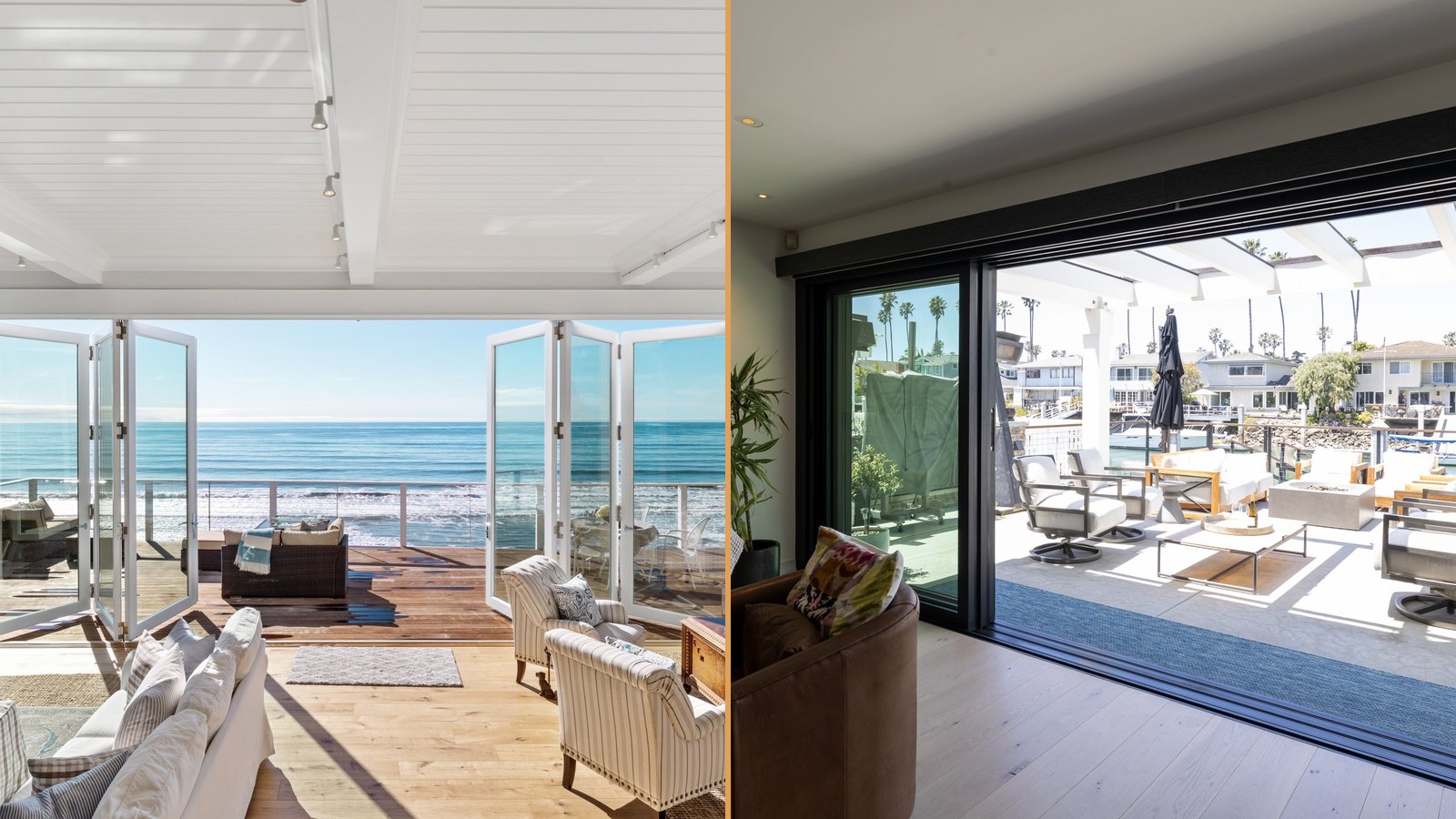
Both bi-fold and multi-slide patio doors can replace entire walls with glass and create a seamless indoor-outdoor living experience. But the two systems work very differently, and the right choice depends on your space, your structure, and how you want to use the opening.
This guide breaks down the key differences between bi-fold patio doors and multi-slide patio doors so you can make the right decision for your project.
How Each System Operates
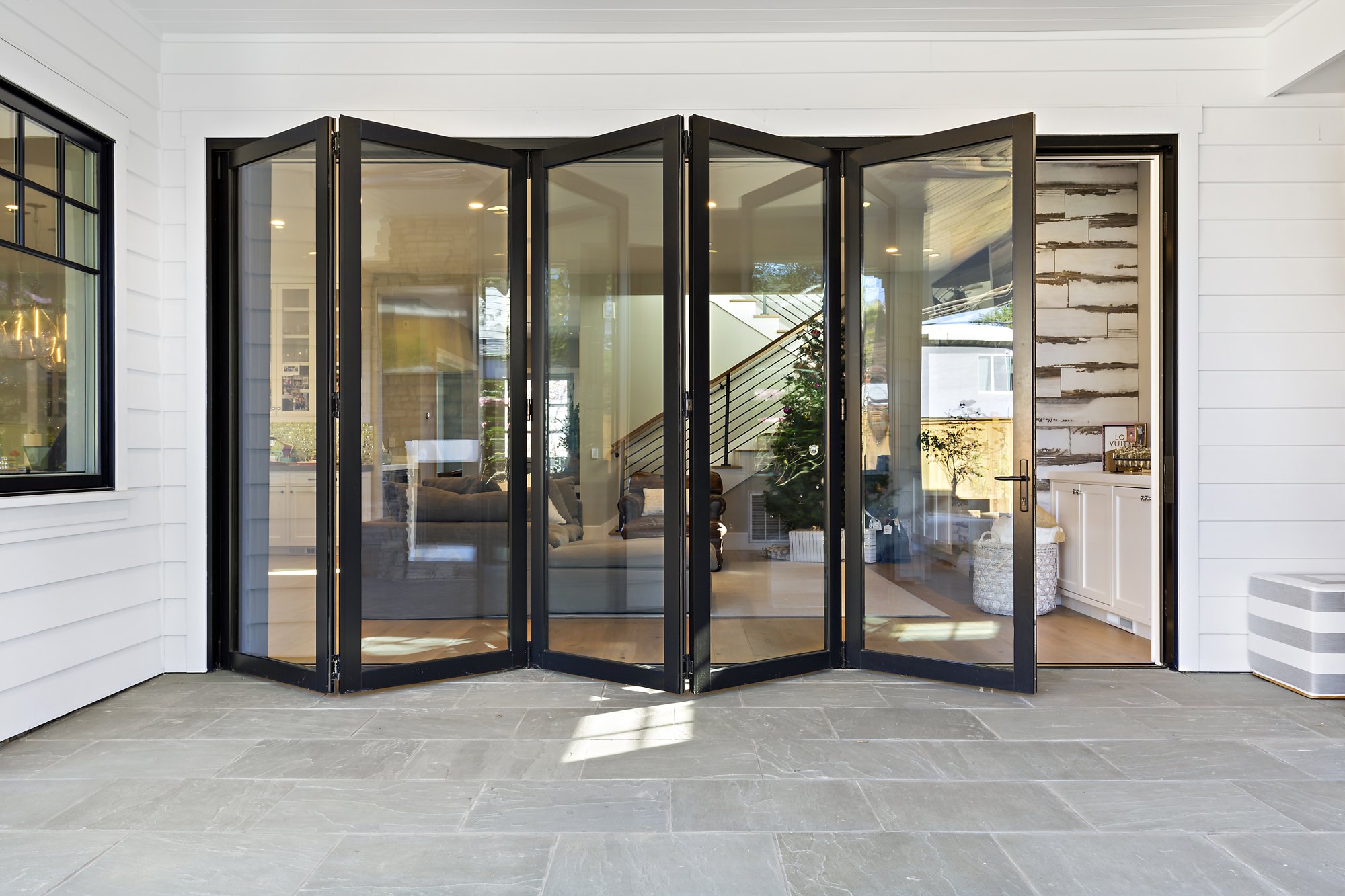
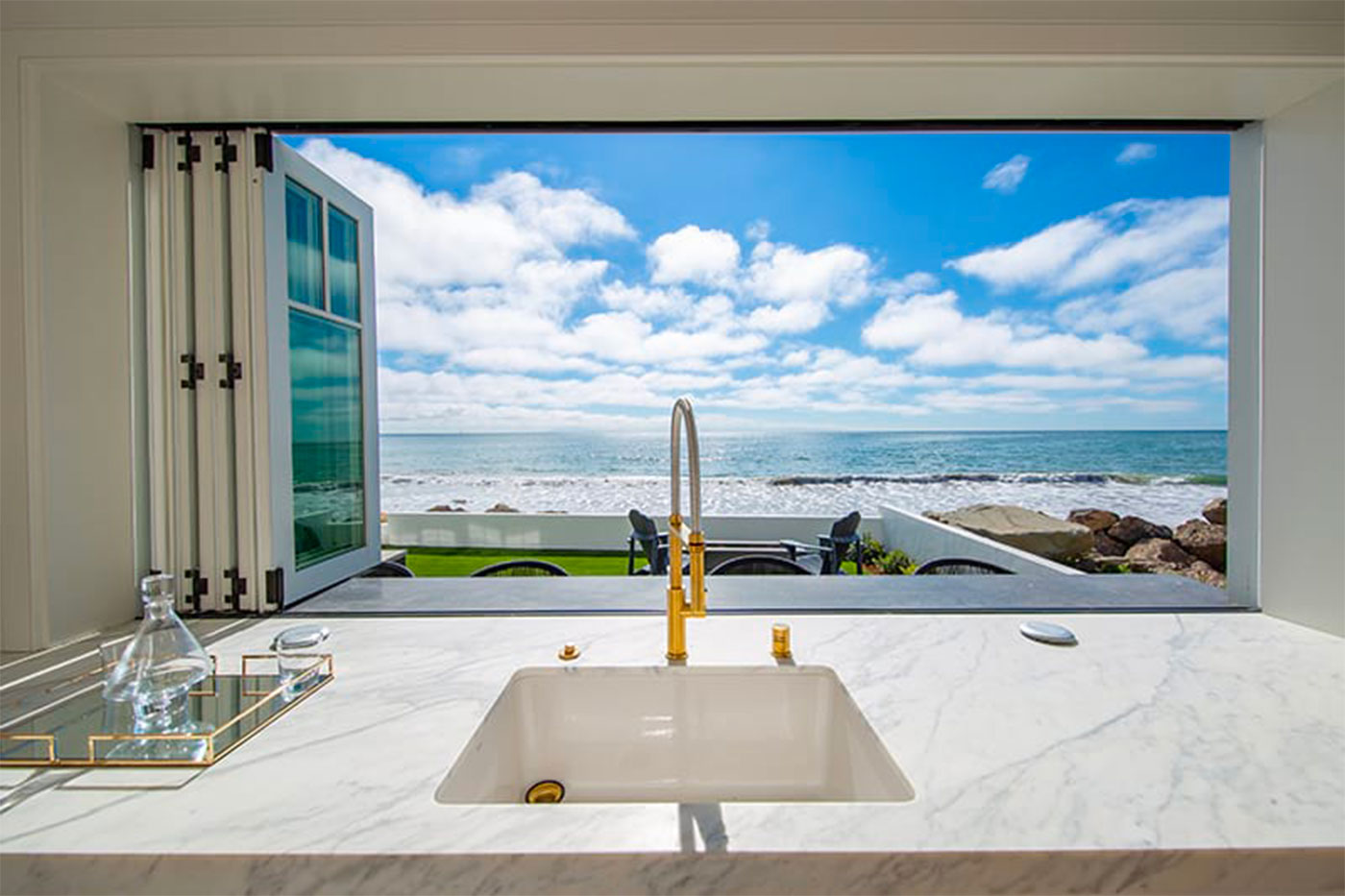
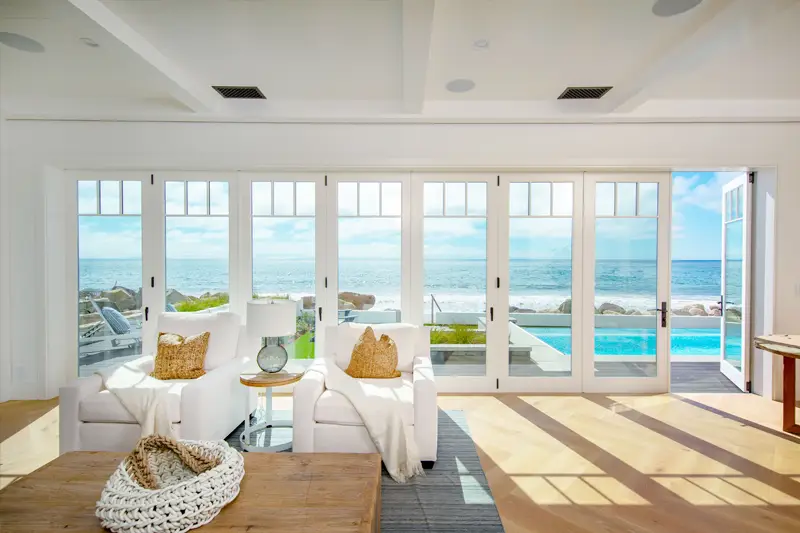
Bi-fold patio doors consist of multiple panels connected by hinges. When you open them, the panels fold against each other like an accordion and stack neatly to one or both sides of the opening. The panels are top-hung from a track in the header, which means the weight is carried overhead. A single "traffic door" panel can open independently for everyday entry and exit without folding the entire system.
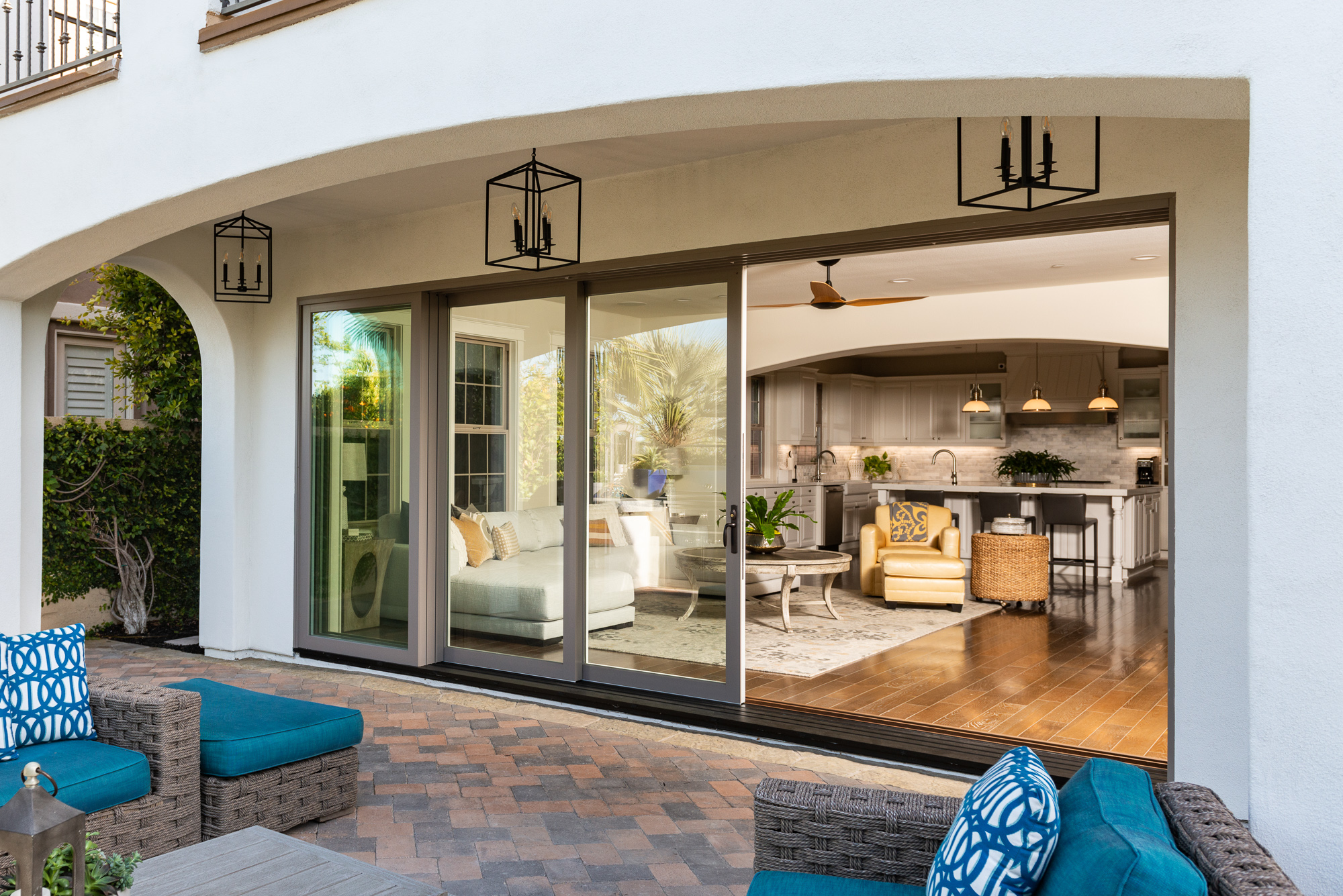
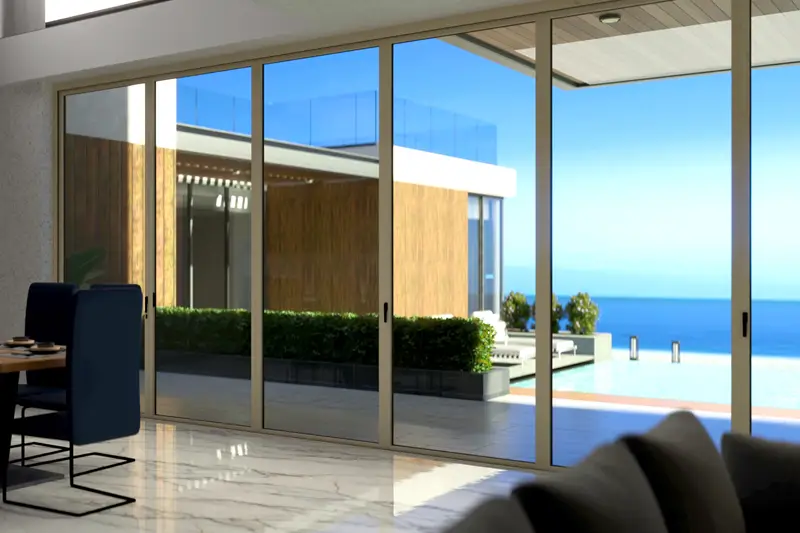
Multi-slide patio doors consist of individual panels that glide along floor tracks. When opened, the panels slide behind one another and either stack against the jamb or disappear completely into a pocket built into the wall. The panels ride on bottom rollers, distributing weight to the floor rather than the header.
The operational difference matters more than it sounds. Bi-folds swing outward as they fold, so you need clearance in front of the opening. Multi-slides stay flat in their tracks, making them a better fit for spaces where furniture, planters, or foot traffic sits close to the door line.
Sightlines: How Much Glass You Actually See
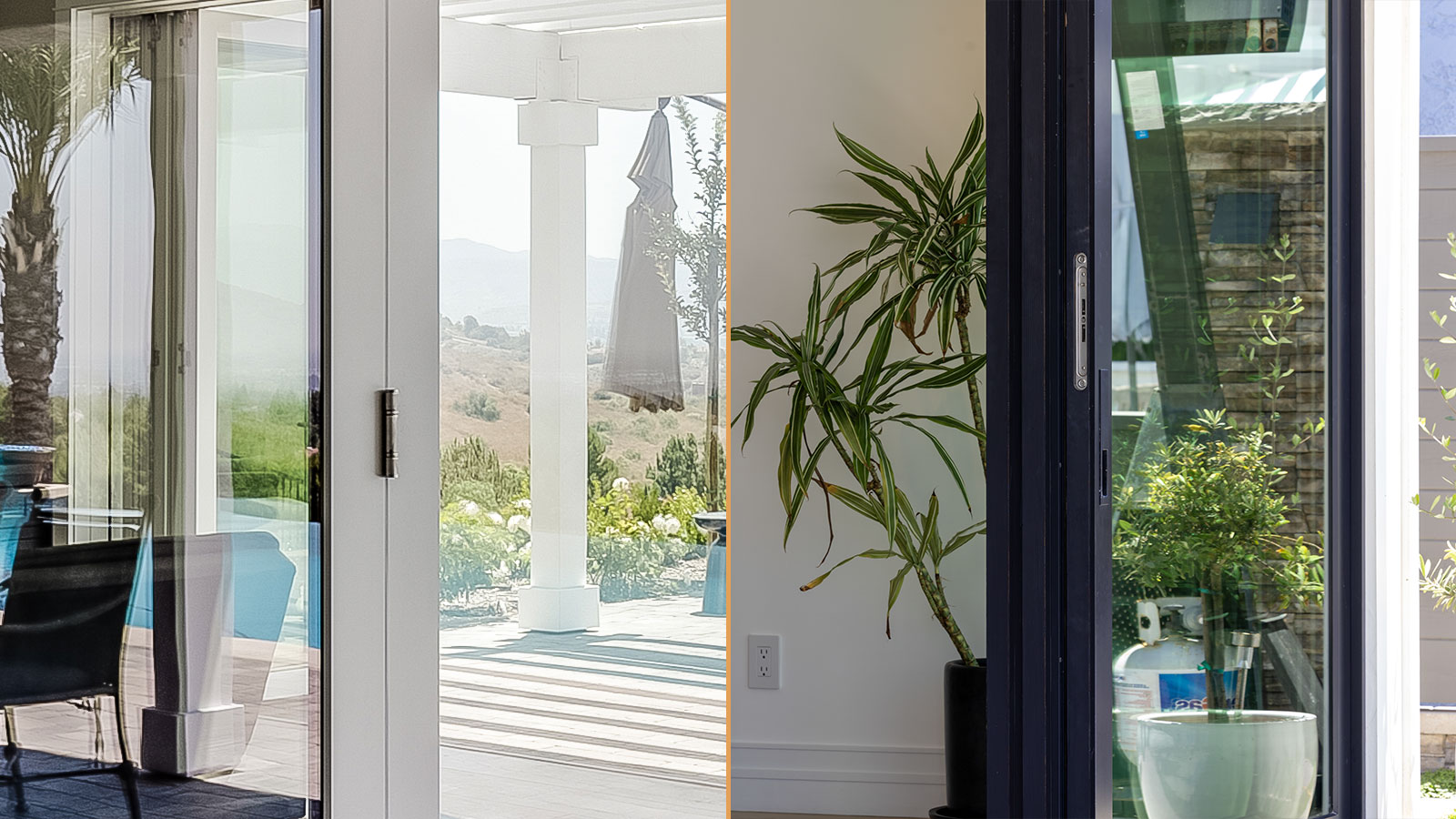
This is one of the biggest differences between the two systems, and it comes down to how the panels meet when closed.
Bi-fold doors have stiles (the vertical framing members on each panel edge) that sit side by side when the system is closed. Because each panel has its own left and right stile, and those stiles line up next to each other at every joint, the vertical framing lines are wider. On a 6-panel system, you will see five double-stile joints across the opening.
Multi-slide doors have stiles that overlap. One panel slides behind the next, so only a single stile width is visible at each joint. The result is noticeably narrower sightlines, which means more unobstructed glass and a cleaner view when the doors are closed.
If maximizing your view when the doors are closed is the priority, multi-slide patio doors have the edge. If you care more about the fully open experience (no visible panels at all), both systems can deliver that, but bi-folds do it with a smaller stacking footprint.
Structural Requirements
The structural demands of each system are different, and this can affect feasibility and cost depending on your home's construction.
Bi-fold patio doors are top-hung, meaning the header above the opening carries the full weight of every panel. For large systems (6+ panels or extra-tall configurations), this can require a reinforced header, an engineered beam, or structural steel. The floor track is minimal since it only guides the panels, not supports them.
Multi-slide patio doors use bottom rollers, so the weight is distributed across the floor track and into the foundation. This puts less stress on the header, which can be an advantage in remodels where the existing header is difficult or expensive to reinforce. However, the floor track is heavier-duty and needs to be precisely level for smooth operation.
For new construction, either system is straightforward to engineer. For remodels, multi-slides may be simpler if header reinforcement is a concern, while bi-folds may be simpler if you want to avoid modifying the floor and sill.
Panel Sizes and Maximum Dimensions
Both systems can fill very large openings, but their maximum panel dimensions differ.
Bi-fold patio doors from AG Millworks can be built with panels up to 4 feet wide by 13 feet tall. Because panels fold rather than stack, you can cover extremely wide openings (20+ feet) without needing wall pocket space. Systems range from 2 to 16 panels.
Multi-slide patio doors can be built with panels up to 5 feet wide by 10 feet tall. While individual panels can be wider, the total opening width is limited by available stacking or pocket space. Each additional panel adds to the stack depth at the jamb (or requires a deeper wall pocket).
If you need floor-to-ceiling height above 10 feet, bi-fold patio doors are the better option. For wide, standard-height openings where you want the widest possible individual panels, multi-slides are the way to go.
Pocket Walls: The Multi-Slide Advantage
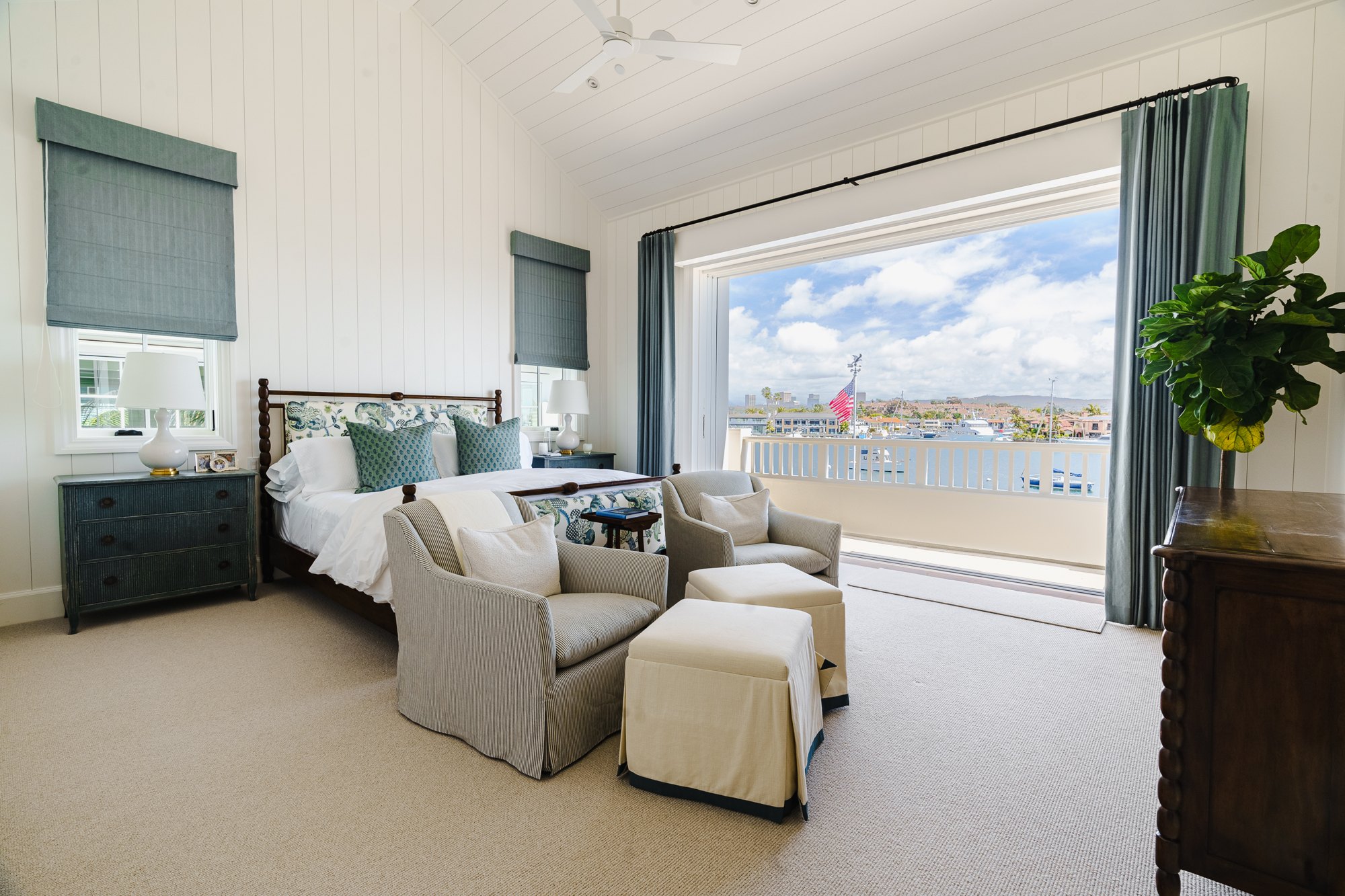
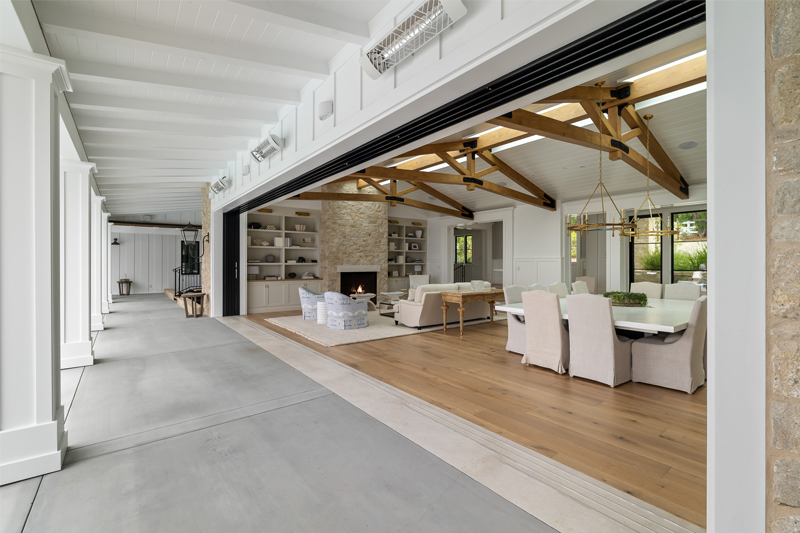
One of the most compelling features of multi-slide patio doors is the option to pocket the panels completely into the wall. When fully opened, the panels slide into a cavity built into the adjacent wall and disappear from view. No stacked panels visible. No hardware showing. Just an unobstructed opening.
Pocket walls do require planning. The wall needs to be deep enough to hold every panel (each one adds roughly 2 inches of depth), and the pocket cavity needs to be built during framing or created during a remodel. The payoff is dramatic: when the doors are open, it looks like the wall simply vanishes.
Bi-fold patio doors do not pocket. The folded panels stack against the jamb, visible but compact. On a well-designed system with slim stile profiles, the stacking footprint is relatively small, but the panels are always present when open.
Jamb Width and Configuration Flexibility
Bi-fold doors are compatible with narrow jamb widths. The jamb size stays consistent regardless of panel count, since panels fold rather than stack within the frame. This makes bi-folds a strong choice for openings where wall depth is limited.
Multi-slide doors require wider jambs as you add panels. Each panel that stacks at the jamb (in a non-pocketing configuration) adds to the required jamb depth. A 4-panel system needs more jamb depth than a 3-panel system. This is worth factoring into your planning, especially in remodels where wall thickness is fixed.
Both systems offer flexible configurations: panels can stack left, right, or split to both sides. Bi-folds can also include a dedicated traffic door (a single panel that swings open independently). Multi-slides can include a swinging panel for the same purpose, though it is less common.
Which System Is Right for Your Project?
There is no universally "better" system. The right choice depends on your specific project.
Choose bi-fold patio doors if:
- You want the panels completely out of the way when open (small stacking footprint)
- Your opening is extra tall (up to 13 feet)
- You have limited wall depth and can't accommodate a pocket or wide jamb
- You want a traffic door for everyday use without opening the full system
- Your header can be reinforced to carry the panel weight
Explore bi-fold door options on our product page →
Choose multi-slide patio doors if:
- Minimizing sightlines (maximum glass visibility when closed) is the top priority
- You want panels to pocket into the wall and disappear
- Your header is difficult to reinforce (bottom rollers reduce header load)
- Furniture, planters, or traffic patterns sit close to the door line (no swing-out clearance needed)
- You prefer the gliding feel of a sliding operation
Explore multi-slide door options on our product page →
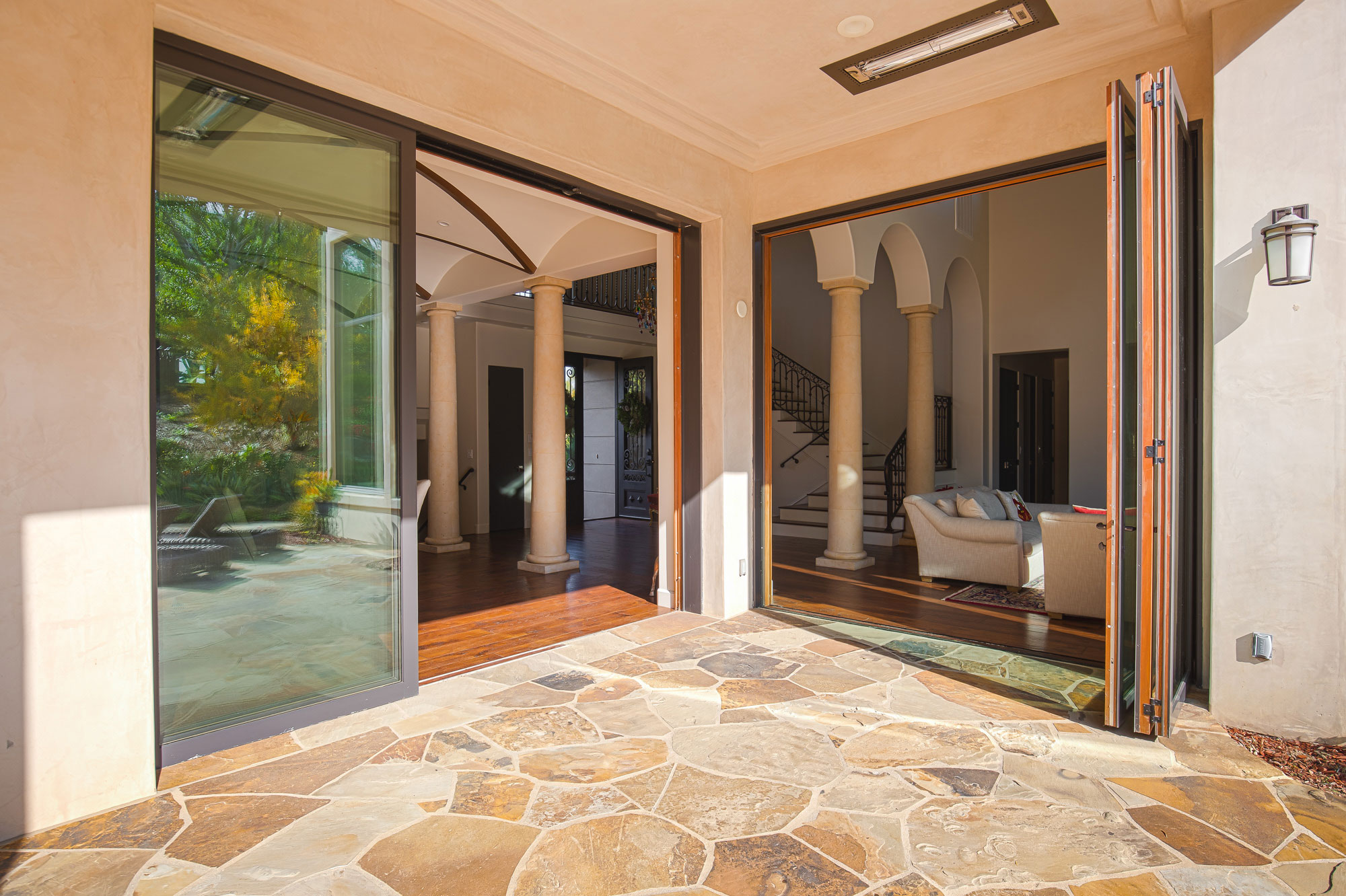
Or combine both. Many homeowners install bi-fold patio doors in one area of the home (like the living room) and multi-slide patio doors in another (like the master bedroom). Matching the exterior clad color, hardware finish, and glass type across both systems creates a cohesive look throughout the home.
Every System Is Custom
Every bi-fold and multi-slide patio door from AG Millworks is built to order. You choose the panel count, configuration, wood species, interior finish, exterior clad color, hardware, glass type, and sill profile. There are no standard sizes and no upcharge for custom dimensions.
Whether you are working with an architect on new construction or planning a remodel with your contractor, our team can help you determine which system fits your opening, your structure, and your design goals.
Ready to compare options for your project? Request a quote → or call 805-644-4494 to speak with a door specialist.